

Manny Ita –
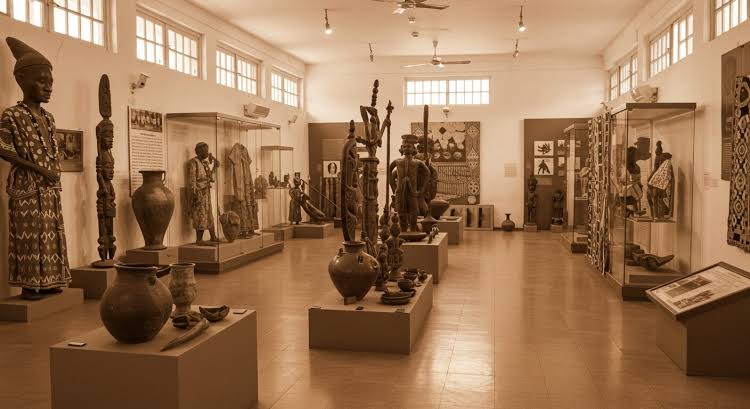
A landmark exhibition celebrating contemporary West African sculpture has opened at the National Museum Lagos, drawing attention from artists, historians, and collectors across the continent and beyond. The retrospective showcases a wide range of sculptural works spanning decades, with a particular focus on innovation, identity, and the evolution of form in postcolonial West Africa. One of the most significant aspects of the exhibition is the inclusion of several “lost” pieces that were recently repatriated from European collections earlier this year. These works, many of which had been held in private galleries and institutions abroad for decades, are now being publicly displayed in Nigeria for the first time in generations. Their return has reignited conversations around cultural restitution, ownership, and the preservation of African heritage. Curators say the exhibition not only highlights the artistic mastery of established sculptors but also introduces a new generation pushing the boundaries of traditional materials such as wood, bronze, and terracotta. The show reflects how contemporary artists are blending indigenous techniques with global influences, creating works that speak to both local narratives and universal themes. Meanwhile, in the digital art space, Nigerian creators are gaining international recognition through a new NFT collaboration that merges traditional Yoruba iconography with cutting-edge artificial intelligence tools. The project features visually striking pieces that reinterpret deities, myths, and symbolic patterns within surreal, AI-generated environments. This fusion of heritage and technology is positioning Nigerian digital artists at the forefront of a rapidly evolving global art market. Art analysts note that this dual momentum—physical repatriation of historical works and digital innovation—signals a broader cultural renaissance. As Nigeria reclaims its artistic legacy while simultaneously redefining its creative future, the intersection of tradition and technology continues to reshape how African art is produced, experienced, and valued worldwide.
