

Manny Ita
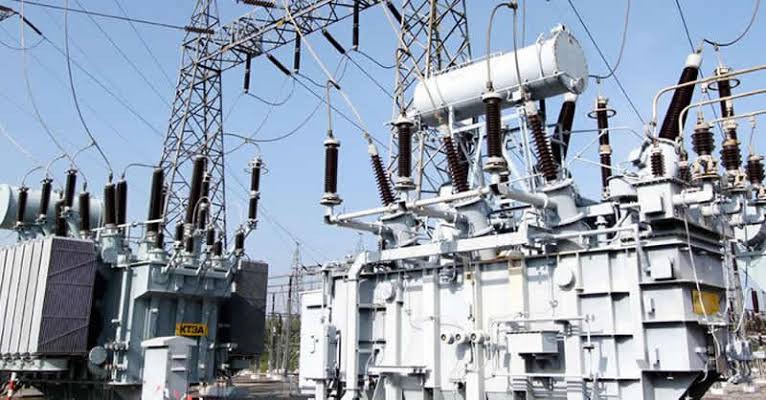
The national electricity grid experienced a total system collapse at approximately 8:42 AM on Tuesday, resulting in a widespread power outage across Nigeria’s major urban centers, including Lagos, Abuja, and Kano. The Transmission Company of Nigeria (TCN) officially confirmed the development, noting that the disruption has severed supply to all regional distribution companies. According to a statement released by the agency shortly after the incident, “efforts are currently underway to restore the system,” with technical teams focusing recovery operations on the Afam and Egbin power stations to act as the primary nodes for re-energizing the network.
Preliminary technical reports from the National Control Centre suggest that the collapse was triggered by a sudden and significant frequency drop originating in the western axis of the grid. This instability led to a protective shutdown of several generating units to prevent permanent damage to the infrastructure. Consequently, the massive loss of load caused the entire system to de-stabilize, leaving the country with near-zero generation for several hours. Distribution companies (DisCos) have issued notices to their customers, explaining that they are unable to provide service until the TCN successfully stabilizes the transmission lines and resumes the allocation of energy.
The TCN has indicated that while the restoration process has commenced, it may take several more hours to achieve full stability across the national circuit. Engineers are currently conducting a detailed fault analysis to identify the specific component failure or external factor that caused the initial frequency drop. Until the grid is fully synchronized, many businesses and households remain reliant on private power generation. The agency has promised to provide further updates as more power stations are gradually brought back online and integrated into the national distribution pool.
