

Manny Ita
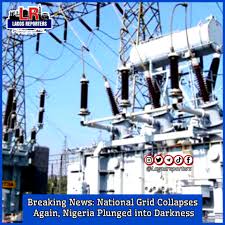
Nigeria was plunged into a nationwide blackout on Friday, January 23, 2026, after the national electricity grid suffered a total system failure at approximately 1:00 PM. Data from the Nigerian Independent System Operator (NISO) confirmed that power generation across all 23 connected power plants plummeted from nearly 4,000MW to zero megawatts within minutes, leaving all 36 states and the Federal Capital Territory without electricity.
The collapse occurred shortly after grid operators had recorded robust demand in major urban centers, with the Abuja Electricity Distribution Company receiving 639MW and Ikeja Electric drawing 630MW just before the shutdown. By 1:30 PM, the national distribution profile showed that all 11 distribution companies (DisCos), including Eko, Enugu, Kano, and Port Harcourt, recorded zero load allocation. While the Transmission Company of Nigeria (TCN) has not yet officially confirmed the technical cause of the failure, industry experts pointed to unstable grid frequency, which had reportedly been oscillating outside the prescribed safety range earlier in the day.
Restoration efforts commenced late Friday afternoon, with TCN engineers working to re-energize the system from the National Control Centre. By 3:30 PM, the Ibadan and Abuja DisCos reported receiving “gradual restoration of supply” with small load allocations of approximately 10MW to 20MW to test system stability. However, the majority of the country remains in darkness as the grid undergoes a delicate “black start” process to bring generation plants back online.
This incident marks the first total grid collapse of 2026, coming less than a month after the last recorded failure on December 29, 2025. The collapse revives intense public debate over the vulnerability of the nation’s aging transmission infrastructure, which Minister of Power Adebayo Adelabu recently described as “outdated” and in need of a complete overhaul. While national infrastructure failed, the city of Aba in Abia State reportedly remained powered through its independent Geometric Power plant, further intensifying calls for the decentralization of the Nigerian power sector.
