

Manny Ita –
growing push for the adoption of exclusively local materials in runway collections is gathering momentum within Nigeria’s fashion industry as designers and stakeholders advocate for what has been described as a “Made-in-Nigeria” approach ahead of the 2026 fashion season.
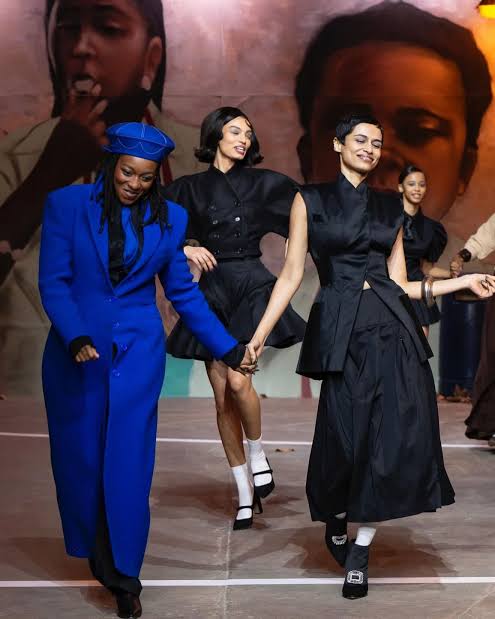
Industry insiders say the movement is aimed at encouraging designers to prioritise fabrics and materials produced within the country, thereby promoting indigenous textiles, supporting local artisans and strengthening Nigeria’s creative economy. The trend is increasingly being discussed across fashion circles as preparations intensify for major fashion showcases scheduled for the coming season.
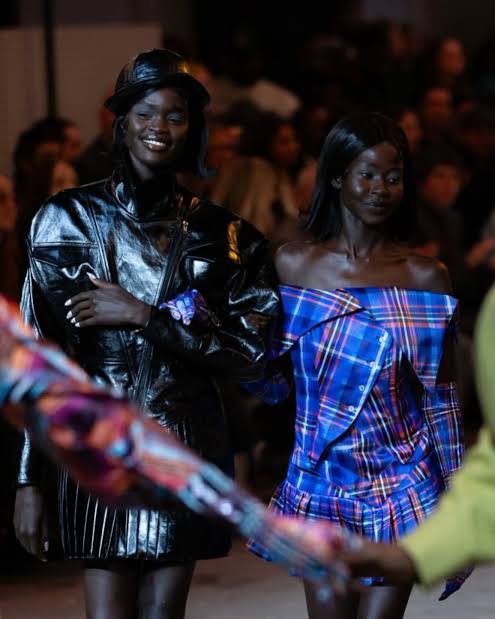
Several designers have already begun integrating traditional Nigerian textiles into contemporary designs, blending heritage fabrics with modern tailoring techniques. Among those being widely highlighted are Onalaja and Emmy Kasbit, both recognised for incorporating locally sourced fabrics and intricate hand-crafted materials into their collections.
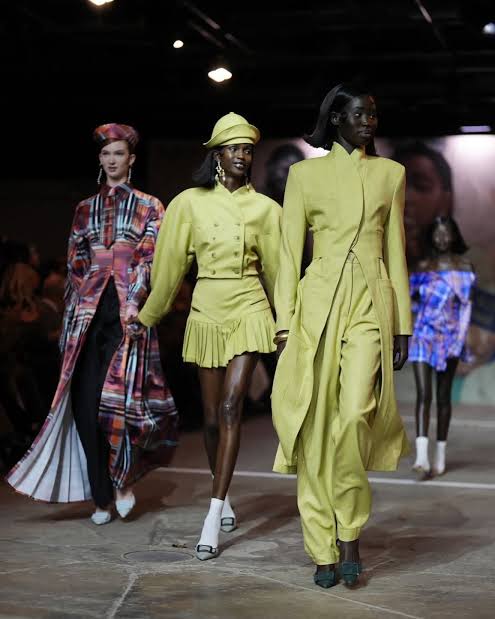
Fashion analysts say the movement reflects a broader shift toward cultural authenticity and sustainability within the industry. One fashion consultant familiar with the trend said designers are increasingly aware of the value embedded in Nigerian textiles and craftsmanship.
“The conversation around Made-in-Nigeria fashion is about more than aesthetics,” the consultant said. “It is about identity, cultural preservation and building an ecosystem that supports our own textile producers and artisans.”
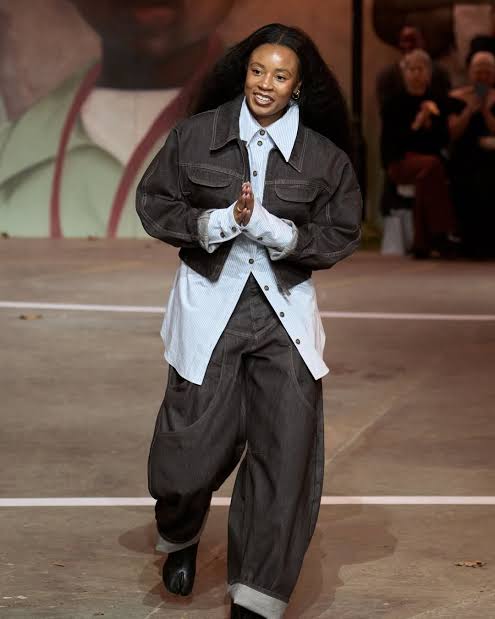
Advocates of the initiative argue that a stronger emphasis on local content could revive interest in traditional fabrics such as aso-oke, adire and other indigenous materials that have long been central to Nigerian cultural expression.
A designer involved in the discussions said the shift toward locally sourced fabrics is also about redefining Nigeria’s presence in the global fashion landscape. “When we work with our own textiles, we are telling our own story,” the designer said. “It allows Nigerian fashion to stand out internationally while remaining rooted in tradition.”

Industry observers note that the movement could also provide economic opportunities for textile producers, weavers, dyers and tailors across the country if more designers commit to sourcing materials locally.
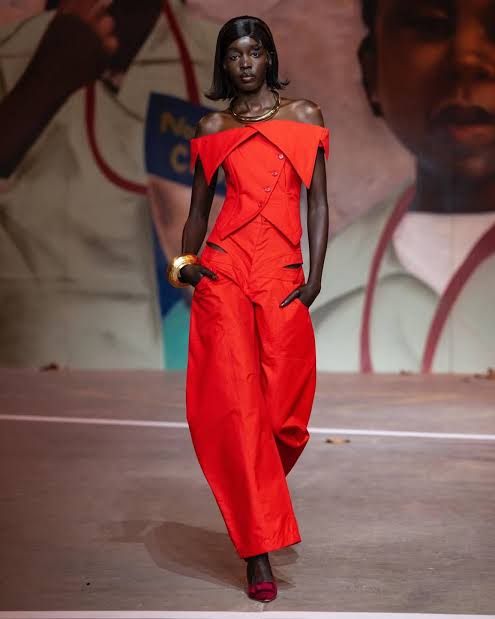
With the 2026 fashion season approaching, stakeholders say the push for a Made-in-Nigeria runway aesthetic is expected to shape upcoming collections and fashion events across Nigeria, potentially establishing a new creative direction for one of Africa’s most dynamic fashion industries.
