

Manny Ita
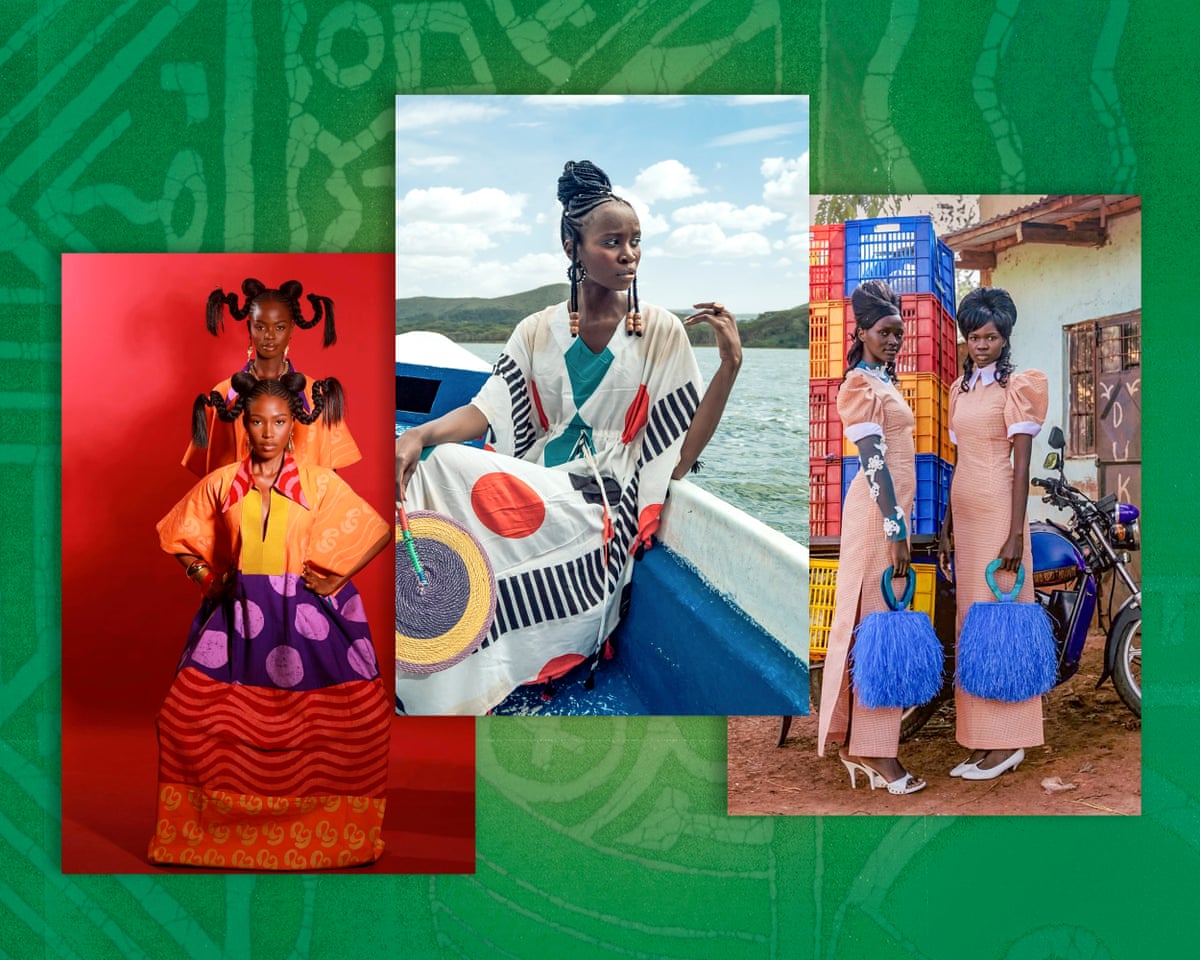
A significant shift toward sustainable luxury has emerged in the Nigerian fashion industry, characterized by a substantial increase in the use of raffia and straw embellishments following the most recent Lagos Fashion Week cycles. This movement, frequently categorized as “Eco-Couture,” marks a transition toward texture-heavy designs that prioritize indigenous materials and environmental consciousness. Industry leaders such as Hertunba and Pepper Row are currently at the forefront of this trend, integrating traditional weaving techniques into high-end, contemporary silhouettes to redefine the concept of luxury within the region.
Observers of the recent runway presentations note that the surge in these materials reflects a broader commitment to local sourcing and artisanal craftsmanship. The integration of raffia—a natural fiber derived from palm leaves—and various straw elements into garments is being viewed by fashion analysts as a deliberate move away from synthetic textiles in favor of biodegradable alternatives. These materials, which have historically been associated with ceremonial attire or utilitarian objects, are now being reimagined for global fashion markets.
The success of these collections has reportedly sparked a renewed interest in the supply chains behind Nigerian fashion, with designers placing a greater emphasis on the livelihoods of local weavers and harvesters. While traditional luxury has often relied on imported fabrics, this current trajectory suggests a permanent pivot toward “sustainable, texture-heavy luxury” that leverages Nigeria’s natural resources. This evolution in style not only highlights the creative versatility of Nigerian designers but also positions the local industry as a competitive participant in the global conversation regarding ethical fashion and environmental stewardship.
