

The Federal Government has started taking steps to end the transportation of live animals over hundreds of kilometres for slaughter, saying the practice is contributing to huge economic losses, wasting valuable livestock by-products and denying millions of Nigerians employment opportunities.
The Minister of Livestock Development, Idi Mukhtar Maiha, said Nigeria could no longer afford a livestock system in which animals were transported over distances of up to 1,200 kilometres before reaching major consumption centres such as Abuja and Lagos.
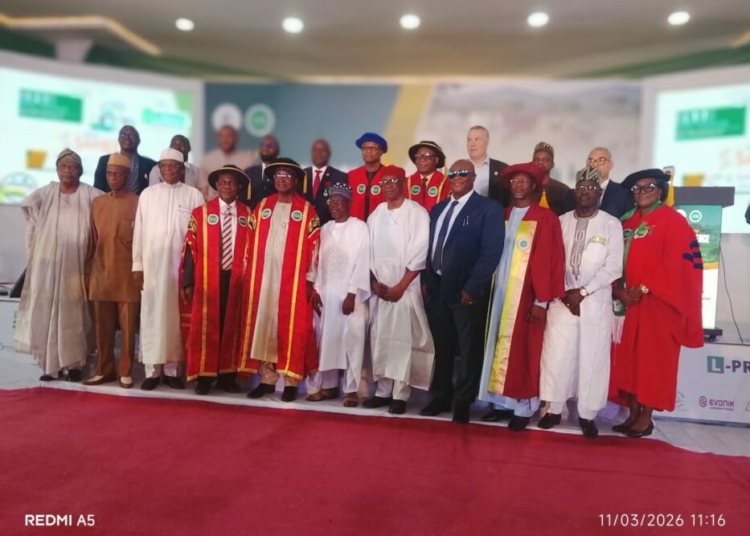
Maiha, who spoke at the opening of the 2026 Animal Science Meeting in Abuja on Tuesday at the Industry Exposition and Livestock Exploration Forum in Abuja, called for a transition to modern livestock production, processing and marketing systems to unlock the sector’s economic potential.
He said the continued transportation of live animals over long distances is unsustainable, arguing that livestock should be processed closer to production centres, with finished products transported to consumers.
According to him, the existing system was not only inefficient but also resulted in avoidable losses, raised animal welfare concerns and led to the waste of valuable materials that could generate additional income for farmers, processors and businesses across the livestock value chain.
“You cannot aggregate the blood. You cannot aggregate the solid waste, the bones, the hooves. All these are scattered all over the place,” he said.
The minister warned that unless Nigeria restructured its livestock industry, the country would continue to lose enormous economic opportunities in meat processing, dairy production, leather manufacturing and other livestock-related businesses.
The minister disclosed that the Federal Government had begun engaging livestock producers and other stakeholders to drive the transition, adding that groundbreaking ceremonies had already been conducted for two projects in Plateau and Edo states.
The minister also urged researchers and animal scientists to ensure that scientific discoveries translated into practical solutions for farmers, particularly in tackling high feed costs, low productivity, disease outbreaks, poor access to improved breeds and inadequate processing facilities.
Earlier, the President of the Nigerian Institute of Animal Science (NIAS), Simeon A. Ohwofa, said the conference theme, “Innovation in Animal Agriculture: A Catalyst for Nigeria’s Non-Oil Economic Development”, reflected the need to reposition livestock as a major contributor to national economic growth.
He said animal agriculture could connect farmers, processors, manufacturers and exporters within an integrated value chain, creating opportunities for employment, wealth generation and industrial development.
Ohwofa identified feed and fodder production, value-chain development and entrepreneurship, digital technologies and innovation, as well as policy and institutional frameworks as key areas of focus at the conference.
He also called for stronger policies and institutional support to ensure that investments in animal agriculture were sustained over the long term.
Also speaking, the National President of the Animal Science Association of Nigeria (ASAN), Dr Raymond Isiadinso, called for greater adoption of data science and artificial intelligence to improve livestock production and productivity.
He said the application of AI-driven nutrition could help optimise animal health and productivity, while data-driven approaches would support better decision-making across the livestock value chain.
Isiadinso also emphasised the importance of sound policy and institutional frameworks in ensuring sustainable livestock development and the continuous growth of agricultural enterprises.
