

Manny Ita –
Health authorities have raised concern over the continued spread of Lassa Fever in Nigeria after new data revealed that the country recorded 109 deaths linked to the disease within the first three months of 2026.
The figures were disclosed by the Nigeria Centre for Disease Control and Prevention (NCDC), which said the fatalities were recorded across several states as part of the ongoing monitoring of the viral hemorrhagic illness. Officials warned that the trend underscores the need for increased public awareness and stronger preventive measures, particularly in communities where the disease is endemic.
According to health officials, the cases were reported from multiple states across the country, with a significant number emerging from areas historically known to experience seasonal outbreaks. The agency noted that surveillance teams and response units have been activated to support affected states and strengthen early detection and treatment efforts.
A spokesperson for the NCDC said the situation remains a public health concern, especially during the early months of the year when cases typically surge. “The number of deaths recorded so far highlights the importance of early reporting and prompt medical care. Communities must remain vigilant and adhere to preventive measures,” the official said.
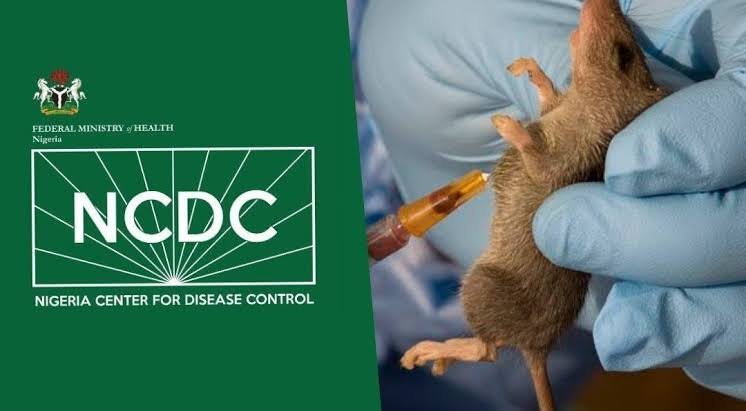
Lassa fever is primarily transmitted to humans through contact with food or household items contaminated by urine or droppings of infected rodents, particularly the multimammate rat. Health experts say human-to-human transmission can also occur, especially in healthcare settings without adequate infection prevention measures.
Medical professionals have advised the public to maintain good hygiene practices, store food properly and seek immediate medical attention when experiencing symptoms such as fever, weakness, headache or unexplained bleeding. Early diagnosis and treatment significantly improve survival rates.
Public health authorities also stressed the need for communities to cooperate with surveillance teams and report suspected cases promptly. “Preventing further deaths requires collective action from health workers, community leaders and the general public,” the NCDC representative said.
The agency said it will continue to provide regular updates as response efforts intensify across the country, while urging Nigerians to remain alert as the government works to contain the spread of the disease and reduce fatalities nationwide.
