

Manny Ita
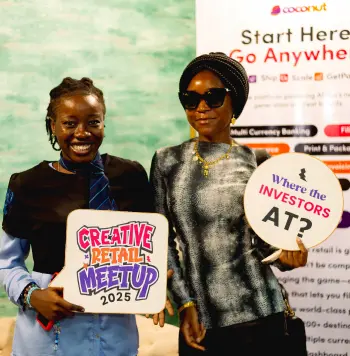
The 2026 edition of the Creative Retail Weekend concluded recently in Ikoyi, Lagos, marking a significant milestone for the “Made-in-Africa” movement through a high-profile exhibition of fashion, beauty, and lifestyle products. Held at the British Council premises, the two-day event served as a strategic marketplace designed to connect indigenous creative entrepreneurs with global retail standards and a diverse consumer base. Organized by Coconut Africa with the formal backing of the British Council, the showcase featured over 50 homegrown brands, emphasizing the intersection of traditional African craftsmanship and modern commercial viability.
The event focused heavily on circularity and sustainability, highlighting brands that utilize local materials and ethical production methods to address contemporary environmental concerns. Beyond the retail booths, the weekend integrated runway presentations that debuted Spring/Summer 2026 collections and educational masterclasses led by industry veterans. These sessions addressed critical hurdles for African creatives, including intellectual property protection and the logistics of international trade. The British Council leveraged the platform to provide its “Creative Showcase” program alumni with direct market access, fostering a environment where small-scale artisans could engage with high-net-worth investors and celebrity patrons.
Industry stakeholders highlighted the economic importance of such gatherings as Nigeria pursues an ambitious federal target for the creative economy to contribute significantly to the national GDP by 2030. Organizers noted that the success of the weekend was measured by both record-breaking sales and the “creative meetups” that facilitated networking between traditional designers and digital-age creators. By providing a formalized space for these interactions, the event sought to move beyond casual commerce toward a structured creative ecosystem.
The partnership with the British Council further emphasized a commitment to strengthening the bilateral ties between Nigeria and the United Kingdom within the creative sectors. This collaboration focused on “tangible outcomes” such as job creation and the formalization of the fashion and beauty industries. As the event closed, participants and analysts alike pointed to the weekend as a definitive indicator of Lagos’s role as Africa’s primary creative and retail hub, moving the needle on how indigenous brands are perceived both locally and internationally.
