

Manny Ita
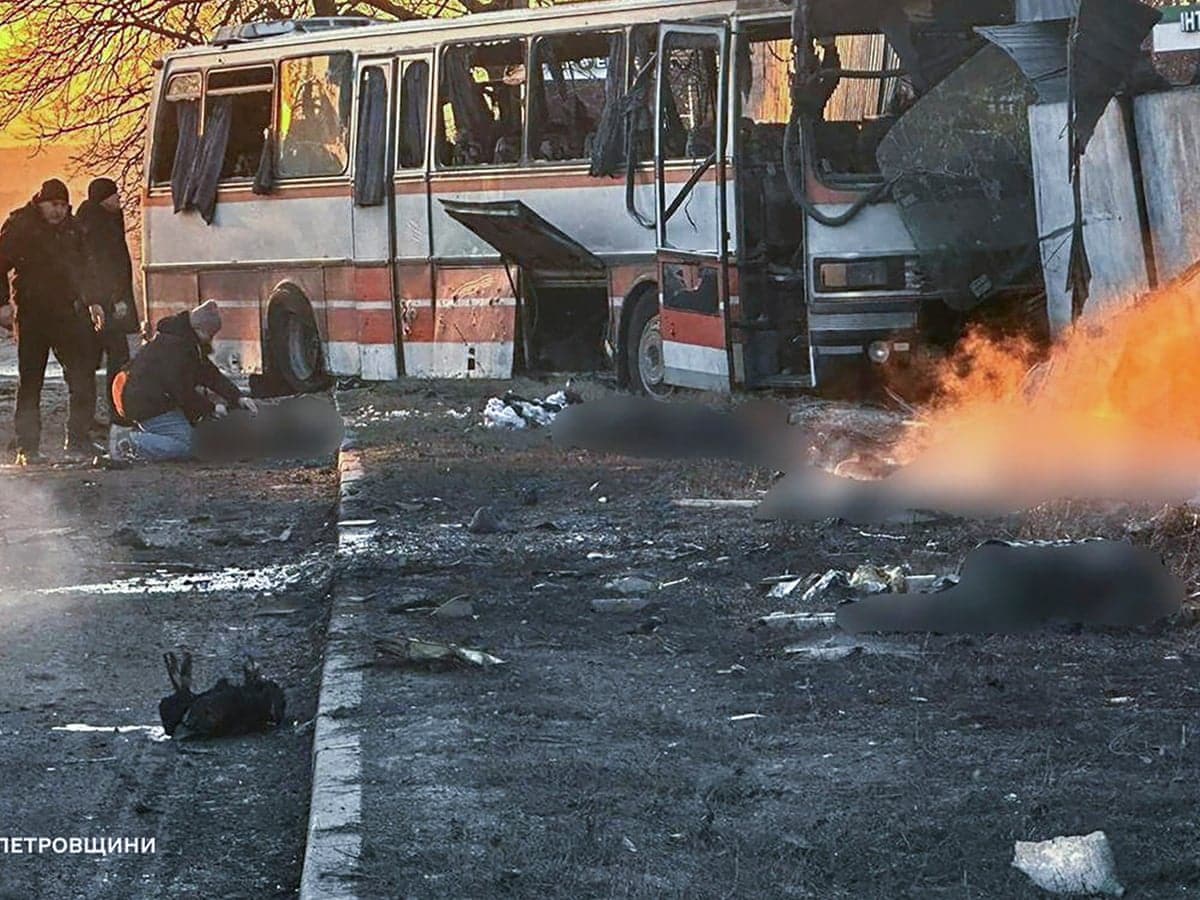
A Russian drone strike targeted a bus transporting mine workers in the Dnipropetrovsk region on Sunday, resulting in the deaths of 15 people and injuring at least seven others. The attack occurred as employees of DTEK, Ukraine’s largest private energy firm, were returning from a shift near the city of Ternivka. The energy company characterized the incident as a “large-scale terrorist attack on DTEK mines,” stating that “the epicentre of one of the attacks was a company bus transporting miners from the enterprise after a shift.” Ukrainian officials confirmed that the strike ignited a fire that was subsequently extinguished by emergency services.
The escalation followed an announcement earlier that day by President Volodymyr Zelensky that a second round of trilateral peace negotiations between Ukraine, Russia, and the United States had been delayed. The talks, originally anticipated to begin over the weekend, have been rescheduled for February 4 and 5 in Abu Dhabi. President Zelensky addressed the scheduling change in a social media post, noting that “Ukraine is ready for a substantive discussion, and we are interested in ensuring that the outcome brings us closer to a real and dignified end to the war.”
The strike on the mining personnel took place amid a broader wave of aerial attacks across Ukraine, including a drone strike that hit a maternity hospital in Zaporizhzhia earlier on Sunday morning. The recent violence has coincided with the expiration of a short-term reduction in strikes on energy infrastructure previously requested by the U.S. administration. While the U.S. has indicated it is “very close” to brokering a deal to end the nearly four-year conflict, significant deadlock remains regarding territorial settlements and security guarantees.
