
Close Menu

    Subscribe to Updates

    Get the latest news as they happen

    What's Hot

    CAC Delists 400,000 Inactive Firms as IMF Projects Nigeria to Become Africa’s Third-Largest Economy by 2026

    February 8, 2026

    Iyabo Obasanjo Declares for APC, Describes Party as Her “Natural Home”

    February 8, 2026

    Six States Mark Golden Jubilee, Reflect on 50 Years of Shared History and Development

    February 8, 2026
    Facebook X (Twitter) Instagram
    Megastar Magazine
    • Politics

      Iyabo Obasanjo Declares for APC, Describes Party as Her “Natural Home”

      February 8, 2026

      PDP Chieftains Seek Urgent Truce as Makinde–Wike Rift Threatens Party’s Survival

      February 7, 2026

      Wike Declares Rivers ‘Battle-Ready’ for Tinubu in 2027 Amid Obi–Kwankwaso Ticket Talks

      February 7, 2026

      APC Reconstitutes National Convention Committee, Masari Replaces Uzodimma as Chairman

      February 7, 2026

      INEC Recognizes Wike-Backed PDP Faction

      February 6, 2026
    • Entertainment
      1. People
      2. Events
      3. Fashion
      Featured
      Entertainment February 7, 2026

      68th Grammy Awards: Three Nigerian Stars In Diaspora Shine

      Recent

      68th Grammy Awards: Three Nigerian Stars In Diaspora Shine

      February 7, 2026

      Nigeria’s Cinema Business Gains Investor Trust

      February 7, 2026

      Nigerian Film Showcase:  Nollywood In Hollywood Unveils Official Films For 2026

      February 6, 2026
    • Business

      UAC of Nigeria PLC Lists ₦54.03 Billion Bond On FMDQ Exchange Platform, Thereby Expanding Access To Capital

      February 7, 2026

      2026 Gateway International Fair: Dangote Champions Its Vision 2030 

      February 6, 2026

      Rite Foods Challenges Stakeholders On Clean Energy Adoption

      February 5, 2026

      International Breweries Returns to Profitability with N85.1 Billion Gain in 2025

      February 4, 2026

      Konga goes after singles in Valentine campaign

      February 4, 2026
    • Health

      As medical aid, UNICEF donates boat ambulance to Ogun

      February 6, 2026

      From Lagos to the Frontlines of Care: Dr. Ogenetega Madedor’s Global Path in Medicine

      February 6, 2026

      Health Crisis Escalates as Lassa Fever Outbreak Claims Medical Personnel in Benue and Plateau States

      February 5, 2026

      Nigerian Nurses Petition IGP Over Alleged Assault During Immunization Exercise in Lagos

      February 4, 2026

      Polaris Bank Marks World Cancer Day with Free Breast Cancer Screening for 100 Women Nationwide

      February 4, 2026
    • Culture

      Nigeria Advances Talks on Return of Benin Bronzes as Lagos Museum Prepares New Exhibition Wing

      February 6, 2026

      Nigeria’s Cultural Heritage Key to Restoring Global Reputation – Experts

      February 5, 2026

      Northern Nigerian Culture to Take Center Stage at Flavors of Nigeria Festival in Canada

      February 4, 2026

      IFC and Terra Kulture Finalize Partnership to Expand Nigeria’s Creative Economy

      February 2, 2026

      Venice Carnival Commences with Winter Olympic Tribute

      February 2, 2026
    • Lifestyle

      European Commission Declares TikTok’s ‘Addictive’ Design in Breach of Digital Services Act

      February 6, 2026

      ‘Money can’t buy happiness,’ ~ Elon Musk 

      February 6, 2026

      Vine Heritage: The Abuja Refuge Protecting Children from Residual Infanticide Rituals

      February 5, 2026

      NCC Reports Rise in Urban Internet Speeds to 20.5Mbps Amid Widening Rural Connectivity Gap

      January 30, 2026

      Lagos Creative Retail Weekend Positions African Brands for Global Market Access at 2026 Showcase

      January 28, 2026
    • Sports

      Sports Crisis: Tinubu Pledges Full Budget Support from 2026

      February 7, 2026

      Kanu Nwankwo, Jay-Jay Okocha, Finidi George to Feature in Legends Gala Match for AfCFTA Fest

      February 7, 2026

      Ademola Lookman Scores on Atletico Madrid Debut as Simeone Hails “Different” Impact in 5-0 Rout

      February 6, 2026

      Former NFF President Pinnick Faces Backlash Over Claims of Guaranteed 2026 World Cup Qualification

      February 6, 2026

      Super Eagles Goalkeeper, Nwabali Bows Out Of South African Club 

      February 5, 2026
    • Contact
    YouTube Facebook Instagram WhatsApp
    Megastar Magazine
    Home » Ogun at 50: How Gbenga Daniel Made the Gateway to Nigeria’s Industrial Future
    News

    Ogun at 50: How Gbenga Daniel Made the Gateway to Nigeria’s Industrial Future

    Ifetayo AdeniyiBy Ifetayo AdeniyiFebruary 2, 20266 Mins Read
    Facebook Twitter Pinterest LinkedIn WhatsApp Reddit Tumblr Email Telegram
    Share
    Facebook Twitter WhatsApp Telegram Email

    Ogun at 50: How Gbenga Daniel Made the Gateway to Nigeria’s Industrial Future

    By Elegbede Abiodun
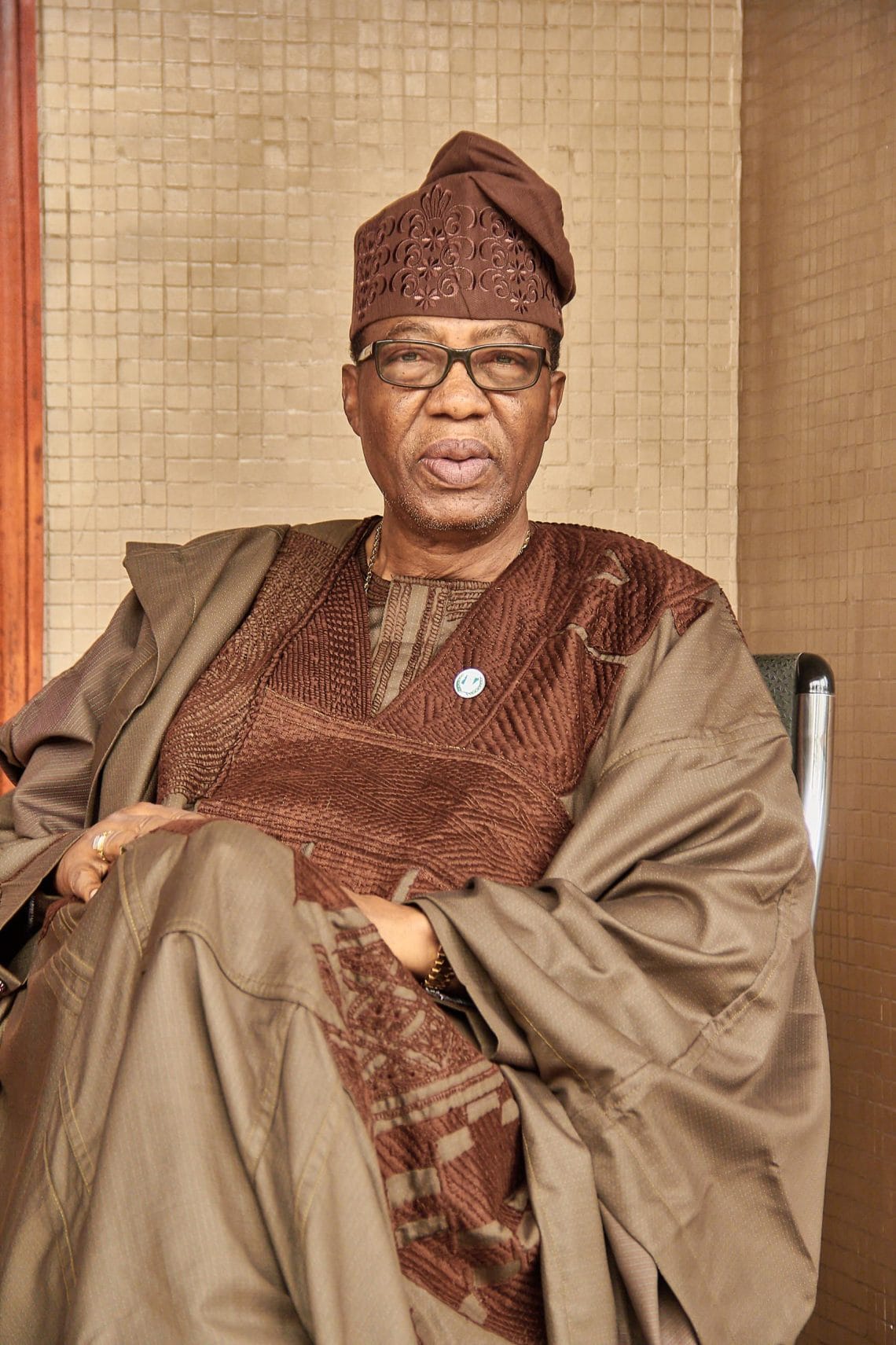
    Otunba Gbenga Daniel

    The Daniel years were not an administration; they were a revolution executed in concrete, steel, and unwavering political will.

    Fifty years is a lifetime in political memory, yet some legacies refuse to fade into the comfortable blur of history. As Ogun State prepares to mark her golden jubilee in February 2026, the occasion demands more than ceremonial celebration; it calls for an honest reckoning with the forces and figures that have shaped the state’s trajectory. Without mincing words, few administrations have left footprints as indelible as that of Otunba Gbenga Daniel in Ogun State.

    Between 2003 and 2011, Daniel didn’t just govern; he rewired the state’s DNA, transforming Ogun from a sleeping giant in Lagos’ shadow into Nigeria’s undisputed industrial powerhouse. He built roads where others commissioned studies. He delivered power while others delivered excuses. He constructed an economy while others merely presided over budgets. The Daniel years were not an administration; they were a revolution executed in concrete, steel, and unwavering political will. This is the story of how one governor weaponised infrastructure to reshape a state’s destiny.

    The story of modern Ogun State is, in many respects, the story of infrastructure deliberately weaponised for economic transformation. While other states grappled with conceptual frameworks and feasibility studies, Daniel’s government was pouring concrete, laying asphalt, and erecting transmission towers. The philosophy was refreshingly pragmatic: build the infrastructure, and the development will come. And come it did.

    Consider the audacity of the direct labour model, a governance innovation that would become Daniel’s signature achievement. Through agencies like OGROMA and OGSEP, the Ogun State Road Maintenance Agency and Ogun State Electricity Project Agency, respectively, the administration bypassed the traditional contractor-dominated system that had become synonymous with inflated costs and abandoned projects. The results were nothing short of revolutionary. Over 700 roads were either constructed or rehabilitated across all 20 local government areas, with cost savings reaching an astonishing 70 percent compared to conventional private contracting arrangements. Projects that would typically drag on for half a decade were completed within one to two years.

    The mathematics of this approach deserves closer examination. When you save 70 percent on infrastructure costs while simultaneously creating thousands of jobs for local engineers, technicians, and labourers, you are not simply building roads. You are building capacity, confidence, and a template for sustainable development. OGROMA became living proof that Nigerian civil servants, when properly motivated and equipped, could execute major projects with efficiency that rivalled, and often surpassed, their private sector counterparts. The Sagamu-Siun-Kobape-Abeokuta Road, the Ilaro-Idogo Road, the Ota-Itele-Ayobo Road, these were not just transportation arteries. They were statements of intent, declarations that Ogun State was open for business and ready for the future.

    But Daniel understood something fundamental that eluded many of his contemporaries: roads alone do not industrialise a state. You need power. Lots of it. And so, while Nigeria’s national grid stuttered and faltered, Ogun State embarked on an ambitious electrification program that would provide 92 relief substations, distribute 402 transformers to communities, and execute 38 rural electrification projects. Street lighting was installed on 60 major roads, transforming not just the physical landscape but the psychology of possibility. When industries scout for locations, reliable power sits at the top of their checklist. Daniel knew this, and he delivered.

    The infrastructure investments were never-ending in themselves but meant to a larger ambition: positioning Ogun State as Nigeria’s premier industrial destination. The strategy was executed with surgical precision. The Flowergate Industrial Estate at Sagamu Interchange would eventually house over 200 industries. The Ogun-Guangdong Free Trade Zone at Igbesa attracted nearly 200 companies, becoming a magnet for Chinese and international investment. The Olokola Free Trade Zone promised a deep seaport that would rival the congestion-choked Apapa. The Kajola Transportation Free Trade Zone at Ifo was conceived as a rail and logistics hub. The Gateway Agro-Cargo Airport at Ilisan-Iperu was designed to position Ogun at the centre of Nigeria’s agricultural export revolution.

    What made these industrial projects succeed where others had faltered elsewhere? The answer lies in the ecosystem Daniel had methodically constructed. Investors were offered tax incentives and rebates, but more importantly, they were offered something rare in Nigeria: reliability. Reliable power through OGSEP’s interventions. Reliable roads through OGROMA’s network. Reliable water supply through the revival and upgrade of six major water schemes, including Abeokuta, Yemoji in Ijebu Ode, and Sagamu waterworks. And perhaps most critically, a reliable pipeline of skilled workers trained through institutions like the Gateway Industrial and Petro-Gas Institute.

    The strategic geography helped, certainly.

    Ogun’s proximity to Lagos, with its ports and massive consumer market, was always an advantage. But geography alone never created an industrial powerhouse. Dozens of states border economically vibrant neighbours without attracting a fraction of the investment Ogun State secured during the Daniel administration. What converted geographical advantage into economic reality was deliberate policy execution married to visionary infrastructure planning.

    There is an instructive lesson in the water supply initiative. Access to potable water is such a basic governmental obligation that its mention barely registers in discussions of transformative leadership. Yet the Daniel administration’s systematic revival of defunct water schemes across the state, from Ifo-Akinside to Ijebu-Igbo to Ogere, represented the kind of unglamorous but essential work that separates serious governance from political theatre. Industries need water. Communities need water. Daniel provided it, not through fanfare but through methodical rehabilitation of existing infrastructure.

    The legacy of those eight years extends beyond the physical structures that still dot the ecosystem. The direct labour model proved that local capacity, when properly harnessed, could deliver results that exceeded expectations. Money that would have enriched distant contractors instead circulated within the Ogun economy, as salaries and profits were reinvested locally. Engineers and technicians gained invaluable experience that would serve them throughout their careers. The dependency on foreign contractors that had become an article of faith in Nigerian development discourse was challenged and disproven.

    As Ogun State approaches its 50th anniversary, the industrial parks, free trade zones, and infrastructure networks established during the Daniel administration remain foundational to the state’s identity as Nigeria’s industrial gateway. The blueprint he created, infrastructure first, industrialisation second, human capital development throughout, offers a masterclass in strategic governance that resonates beyond partisan consideration.

    In the final analysis, Otunba Gbenga Daniel’s tenure represented a particular philosophy of state building: that government’s primary obligation is to create the conditions for prosperity, not merely to redistribute resources. By choosing to invest in roads, power, water, and industrial infrastructure, his administration made a bet on Ogun’s future that has paid dividends for over a decade. The transformation was not accidental, nor was it inevitable. It was the result of vision, executed with precision, and sustained by an unwavering commitment to building an economy rather than merely presiding over one.

    The roads remain. The industries still hum with activity. The lights still shine. And the question for current and future administrations is not whether the Daniel blueprint was successful, but whether they possess the political will and technical competence to build upon it.

    Share. Facebook Twitter Pinterest LinkedIn WhatsApp Reddit Tumblr Email
    Previous ArticleNigerian Afrobeats Stars Suffer Sweep at 68th Grammy Awards as Tyla Retains African Title
    Next Article FG, states received N2.45tn for infrastructure, security
    Ifetayo Adeniyi
    • Website

    Adeniyi Ifetayo Moses is an Entrepreneur, Award winning Celebrity journalist, Luxury and Lifestyle Reporter with Ben tv London and Publisher, Megastar Magazine. He has carved a niche for himself with over 15 years of experience in celebrity Journalism and Media PR.

    Related Posts

    News February 8, 2026

    CAC Delists 400,000 Inactive Firms as IMF Projects Nigeria to Become Africa’s Third-Largest Economy by 2026

    News February 8, 2026

    IMF Forecasts Nigeria to Become Africa’s Third-Largest Economy by 2026

    News February 7, 2026

    Nigerian Army pulls out 10 retired Finance Corps generals at Lagos valedictory ceremony

    News February 7, 2026

    Gunmen kill 13, abduct women in deadly attack on Anwase Market in Benue State

    News February 7, 2026

    Congressional Black Caucus chair condemns Trump social media post depicting Obamas in racist imagery

    News February 7, 2026

    Zenith Bank Plc is intensifying its growth strategy through simultaneous capital raising and regional expansion, positioning itself to meet tougher regulatory requirements at home while deepening its footprint across West and Central Africa. The lender disclosed plans to invest about “$231 million” in expanding operations within the sub-region, with a focus on acquiring assets in Côte d’Ivoire and Cameroon. The move is aimed at strengthening its reach in the francophone market and consolidating regional dominance at a time when Nigerian banks are seeking diversification beyond their domestic base. In parallel, Zenith Bank is finalising a major recapitalisation programme to comply with the Central Bank of Nigeria’s new “10-fold minimum capital requirements,” which must be met by “March 31, 2026.” The exercise places the bank among lenders racing to shore up capital buffers amid tighter regulatory oversight and rising balance-sheet demands. Financially, the group reported resilience through 2025, recording a “16% growth in gross earnings” to approximately “₦3.4 trillion” by late in the year. However, market analysts have cautioned that earnings momentum may moderate in 2026 as interest rates begin to ease across key markets, including Nigeria and Egypt, potentially compressing margins despite higher volumes. The twin pressures of regulatory compliance and regional expansion are expected to shape Zenith Bank’s strategic and financial trajectory over the next two years, as investors weigh near-term profitability against longer-term growth prospects.

    Leave A Reply Cancel Reply

    Don't Miss
    News February 8, 2026

    CAC Delists 400,000 Inactive Firms as IMF Projects Nigeria to Become Africa’s Third-Largest Economy by 2026

    Manny Ita  – The Corporate Affairs Commission (CAC) has announced the delisting of no fewer…

    Iyabo Obasanjo Declares for APC, Describes Party as Her “Natural Home”

    February 8, 2026

    Six States Mark Golden Jubilee, Reflect on 50 Years of Shared History and Development

    February 8, 2026

    Energy Experts Call on President Tinubu to Mandate Phased Reporting to Achieve 3 Million BPD Oil Goal

    February 8, 2026

    Subscribe to Updates

    Get the latest news as they happen

    Stay In Touch
    • Facebook
    • Twitter
    • Pinterest
    • Instagram
    Our Picks

    Beyond the Afrobeats High—Why Nigeria Must Institutionalize Its Cultural Superpower

    February 5, 2026

    Reinarey Empire Unveils 2022 Collections

    November 11, 2021

    Dorian Homes Plans To Host Its First Children’s Christmas Party

    November 11, 2021
    New Comments
    • Anozie okolo on Supreme Court Affirms President Tinubu’s Victory As Atiku, Peter Obi Lose
    • Mc richman on Nigeria and South African Music histories
    • Moses Ibrahim on Olu of Warri: Pictorial @ The Ogiame Atuwatse III Economic Summit.
    • Sen Rich Kay on MALARIA ERADICATION: Prince Ned Nwoko & NMEP Meet for joint action.
    Megastar Magazine
    YouTube Facebook WhatsApp Instagram
    • Privacy Policy
    • Terms of Use
    • Contact Us
    © 2026 Megastar Magazine. Designed by MANNDI

    Type above and press Enter to search. Press Esc to cancel.