

Manny Ita –
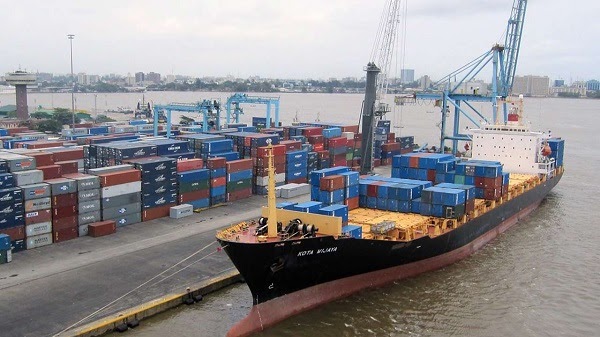
Several vessels laden with a combined 129,000 metric tonnes of petrol and diesel are scheduled to dock at Lagos ports today, in what industry officials describe as a significant step toward easing the current supply constraints and stabilizing fuel prices across the country.
The shipments, which include both Premium Motor Spirit (PMS) and Automotive Gas Oil (AGO), are expected to bolster national reserves at a time when concerns over distribution bottlenecks and rising pump prices have intensified in major cities, including Lagos and Abuja. Port and downstream sector sources confirmed that the vessels began berthing early Tuesday, with discharge operations already underway at designated terminals.
Officials familiar with the development expressed cautious optimism that the fresh inflow would improve product availability in the coming days. “This volume is substantial and should help ease the pressure we’ve seen in the system recently,” one senior industry official said, noting that logistics and timely distribution would be critical to achieving the desired impact.
The arrival comes amid heightened scrutiny of the supply chain, as independent marketers and depot owners have raised concerns over inconsistent deliveries and fluctuating ex-depot prices. Some depot operators indicated that the new cargoes could help moderate pricing trends if efficiently integrated into the distribution network.
A representative of a major petroleum marketing association stated, “We expect this to reflect at the pumps soon, but it depends on how quickly the products are discharged and transported inland. Coordination remains key.”
Despite the positive outlook, analysts caution that short-term supply boosts must be complemented by sustained import scheduling and improved infrastructure to prevent recurring shortages. “One-off arrivals can provide relief, but long-term stability requires consistent supply planning and distribution efficiency,” an energy analyst noted.
As discharge operations continue, stakeholders across the downstream sector will be closely monitoring how swiftly the products move through the supply chain and whether the increased volumes translate into tangible price relief for consumers already grappling with high transportation and living costs.
