

Manny Ita
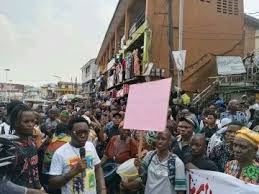
Tension escalated in Lagos and Anambra states on Wednesday, January 28, 2026, as security operatives moved to disperse separate mass protests that paralyzed major urban centers. In Lagos, police deployed tear gas and fired shots into the air to scatter hundreds of displaced residents from the Makoko, Oworonshoki, and Ijora Badia communities who had gathered at the Lagos State House of Assembly in Alausa. The demonstrators, led by activist Hassan Soweto, were protesting the ongoing demolition of their homes, which they characterized as a government-backed “land grab” aimed at clearing space for luxury real estate developments. Several protesters, including elderly women and children, sustained injuries in the ensuing stampede, while witnesses reported that security forces also targeted journalists covering the scene with pepper spray.
The Lagos State Government has defended the demolitions as a necessary measure to remove illegal structures situated near high-tension power lines and to facilitate the “Mega City” urban renewal plan. Despite the forced dispersal, protesters remained defiant, insisting that the government has failed to provide adequate compensation or resettlement options for the thousands now left homeless. “We are being rendered refugees in our own land while the rich take over our waterfronts,” one community leader remarked during the standoff. By late afternoon, a heavy security presence remained stationed around the Assembly complex to prevent the crowd from regrouping.
Simultaneously, a massive blockade at the Niger Bridge in Onitsha, Anambra State, brought vehicular movement to a standstill as traders protested Governor Chukwuma Soludo’s executive order to shut down the Onitsha Main Market for one week. The closure was imposed as a punitive measure after traders reportedly observed a “sit-at-home” order on Monday, a move the Governor described as “economic sabotage” that costs the state an estimated ₦8 billion weekly. Thousands of commuters traveling between the South-East and Western Nigeria were stranded as traders barricaded the bridge, chanting “No way in, no way out” to express their frustration over what they described as collective punishment for security failures beyond their control.
Addressing the unrest, Governor Soludo maintained a firm stance, stating that the market closure would remain in effect to discourage compliance with non-state actors. “We survive on our own sweat,” a trader at the bridge countered, explaining that the decision to close on Mondays is often driven by the closure of banks and the lack of security for transport routes rather than political affiliation. The Governor has warned that the closure could be extended if the defiance continues, even suggesting the market could be permanently relocated to “those ready to use it.” As of Wednesday evening, the bridge remained largely impassable, causing a significant backlog of commercial and private vehicles across the Niger.
