

Manny Ita
In a major push to address a long-standing judicial backlog, the Federal Government of Nigeria has initiated a plan to fast-track the trials of approximately 5,000 suspects currently held on terrorism-related charges. This move, spearheaded by the Attorney-General of the Federation and Minister of Justice, Lateef Fagbemi (SAN), alongside the National Counter Terrorism Centre (NCTC), aims to decongest detention facilities and ensure the swift administration of justice. The plan falls under the newly unveiled NCTC Strategic Plan (2025–2030), which prioritizes “strengthening legal and judicial support for terrorism prosecutions.”
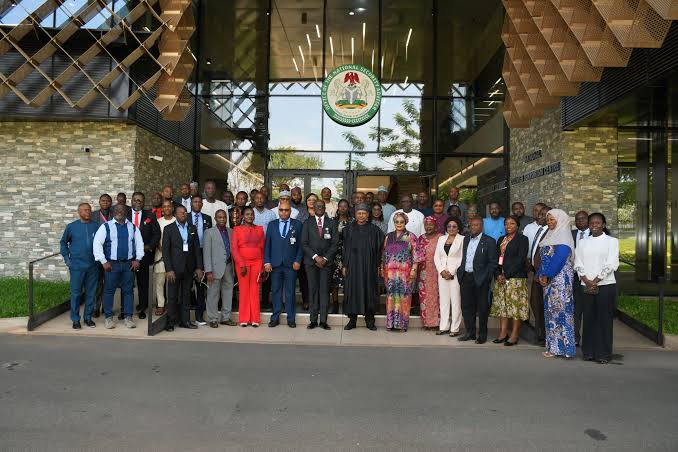
The Ministry of Justice and the Office of the National Security Adviser (ONSA) have recently intensified the “Kainji Mass Trials,” entering Phase 7 of the operation at the Wawa Cantonment in Niger State. Major General Adamu Garba Laka, the National Coordinator of the NCTC, emphasized that these accelerated proceedings are vital for Nigeria’s internal security and its international standing with the Financial Action Task Force (FATF). To manage the volume of cases, the government is utilizing a multi-track approach that includes virtual court hearings to minimize logistics delays and security risks. Addressing the judiciary at the start of the 2025/2026 Legal Year, Fagbemi stated, “The judicial system’s effectiveness strengthens when terrorism cases receive swift hearings and resolutions, demonstrating that terrorism faces immediate and decisive legal action.” While the government highlights recent successes—including hundreds of convictions and acquittals—human rights organizations continue to call for transparency to ensure that the speed of these “mass trials” does not compromise the defendants’ right to a fair hearing or due process.
