

Manny Ita –
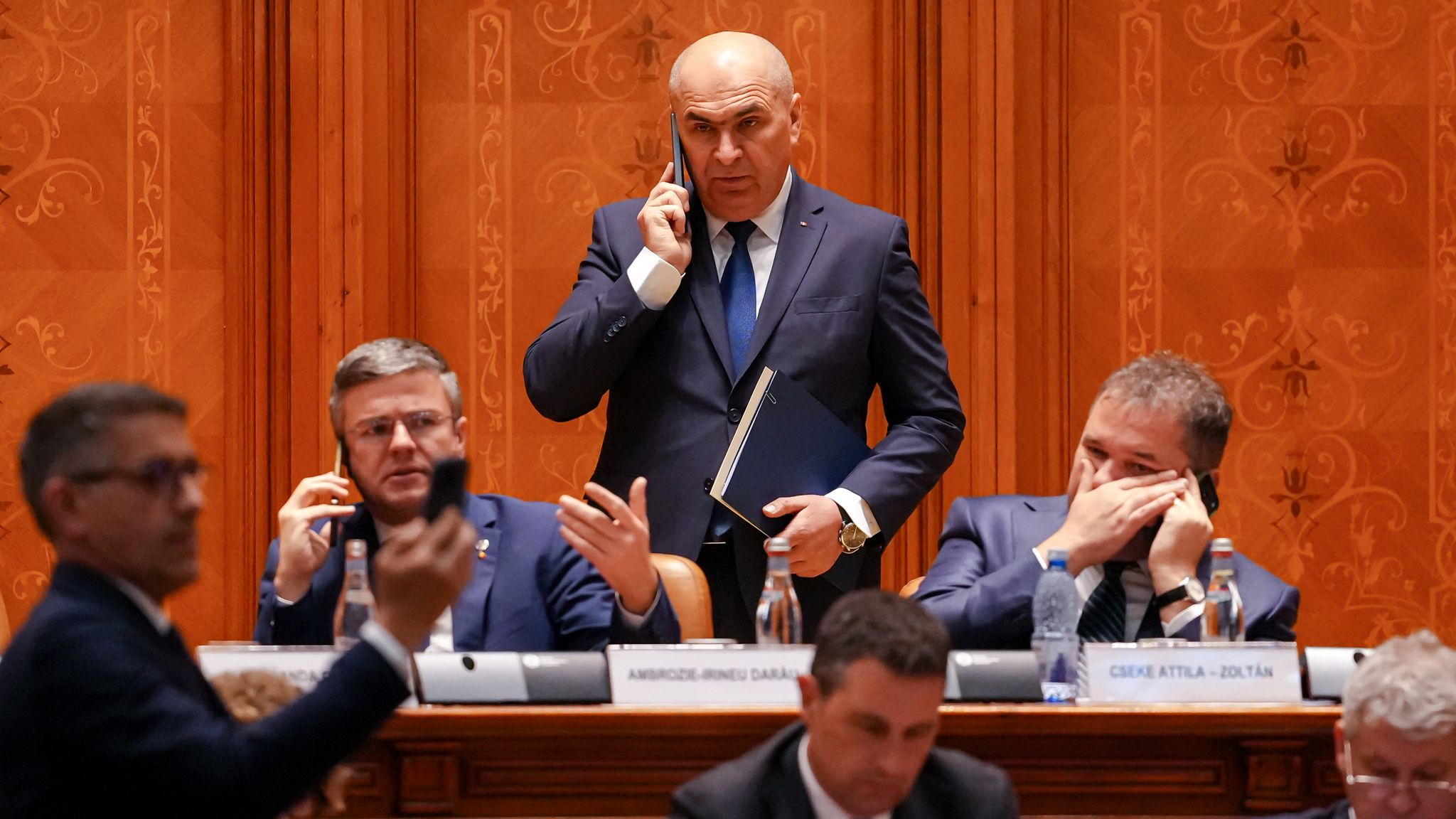
Romania has been plunged into fresh political turmoil after the government led by Ilie Bolojan was removed through a parliamentary no-confidence vote, marking another chapter in the country’s long history of instability.
The vote was significant not just for toppling the government, but for how it happened. The Social Democratic Party (PSD)—previously part of the ruling coalition—joined forces with the far-right Alliance for the Union of Romanians (AUR) to bring down the administration. This unprecedented coordination effectively dismantled a political “firewall” that pro-European parties had established to isolate far-right groups.
Bolojan’s government, in power for only about 10 months, had been formed during a period of crisis in 2025 as part of a broad coalition that included the National Liberal Party (PNL), PSD, Save Romania Union (USR), and Democratic Alliance of Hungarians in Romania (UDMR). The coalition was united by a pro-European agenda following contentious elections and rising far-right influence.
Tensions had been building for months, particularly after the Social Democrats withdrew their ministers and began pushing for a vote of no confidence. Disagreements intensified over reforms introduced by the government to tackle Romania’s economic difficulties, including a high budget deficit and slow growth.
Among the most controversial measures were tax increases and sweeping public sector reforms. The government cut tens of thousands of jobs, streamlined bureaucracy, and targeted inefficiencies in state-owned enterprises. It also attempted to overhaul the pension system, including scrapping generous early-retirement benefits for members of the judiciary—moves that triggered political backlash.
Despite signs that some reforms were beginning to stabilize the economy, opposition within the coalition grew. Bolojan criticized the PSD for undermining the government from within, calling the no-confidence motion politically motivated.
The collapse has raised concerns across Europe, especially because of the PSD’s cooperation with a far-right, pro-Russian-leaning party. It has also fueled speculation that the far right could gain power if early elections are held.
However, Nicusor Dan has sought to calm fears, ruling out immediate snap elections and emphasizing that Romania remains committed to a pro-European path. He will now begin consultations to appoint a new prime minister, though forming a stable government may prove difficult.
With divisions deepening among political parties, Romania faces an uncertain period as it attempts to rebuild a functioning government while managing economic pressures and rising political polarization.
