

Manny Ita –
Nationwide Backlash Trails FG’s Plan to Reintegrate Repentant Terrorists in NigeriaThe Federal Government’s plan to reintegrate hundreds of former terrorists into society has sparked widespread outrage across Nigeria, with many citizens, security experts, and civil society groups expressing serious concerns over the policy.
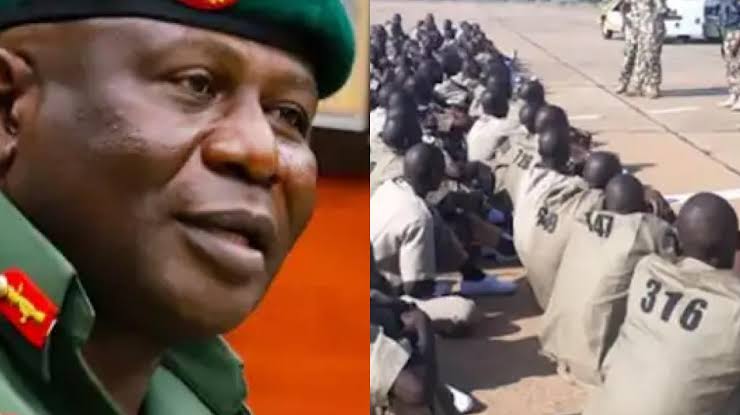
The controversy follows the graduation of 744 former insurgents from the government’s De-radicalisation, Rehabilitation and Reintegration (DRR) programme under Operation Safe Corridor. Authorities say the initiative is designed to reduce violent extremism and promote long-term peace.
However, the move has triggered strong reactions nationwide, as critics question the safety, timing, and moral implications of reintegrating individuals previously involved in terrorism.
Several stakeholders, including retired military officers and human rights advocates, have warned that the programme could pose security risks if not carefully managed. Concerns have been raised about possible re-radicalisation, community safety, and whether participants have genuinely abandoned extremist ideologies.
Some experts argue that while reintegration may be beneficial in theory, there are doubts about the depth of rehabilitation achieved, suggesting that some individuals may not be fully reformed.
Others have questioned how the government plans to reintegrate the individuals into communities that were directly affected by insurgency, with fears of tension, mistrust, and possible backlash from residents.
Victims and affected families have also expressed emotional and moral concerns, asking whether justice is being served. Many believe that focusing on rehabilitation without visible accountability could weaken public trust and fail to deter future violence.
Despite the backlash, government officials maintain that the programme is not a reward system but a strategic approach to tackling insurgency. According to authorities, the initiative includes psychological support, vocational training, and ideological reorientation aimed at helping participants reintegrate peacefully into society.
Officials insist that military action alone cannot end insurgency, and that reintegration plays a key role in breaking cycles of violence and preventing further recruitment into extremist groups.
Analysts, however, note that the long-term success of the programme will depend on transparency, proper monitoring, and the willingness of communities to accept those being reintegrated.
