

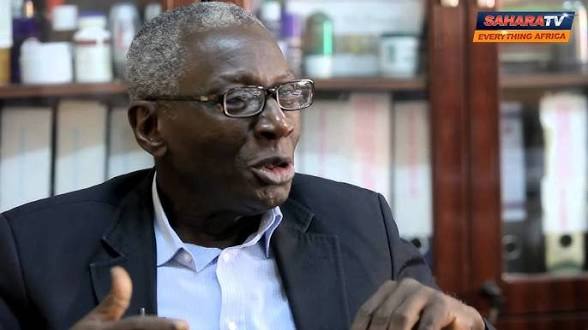
By Manny Ita –
Late economist Henry Olujimi Boyo spent decades warning Nigerians about the dangers of a weak naira, rising inflation, excessive borrowing, and what he described as deep structural failures in the country’s monetary system. For many years, his views were considered controversial, radical, and even unrealistic by critics who believed his economic theories challenged established financial practices.
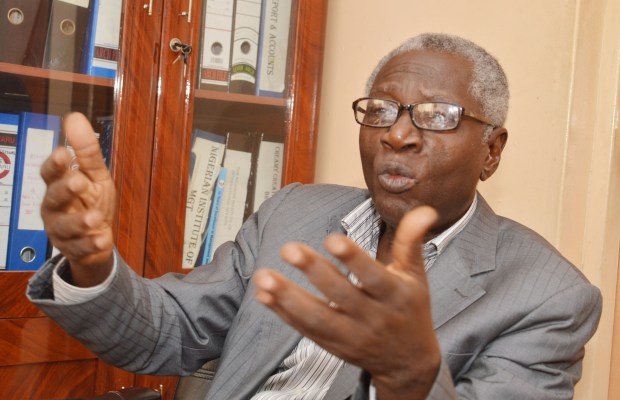
Today, however, as Nigerians grapple with soaring food prices, currency instability, rising debt, and declining purchasing power, many are revisiting Boyo’s writings with a new sense of reflection. The concerns he raised repeatedly in newspaper columns, television interviews, and public debates now echo loudly in the realities confronting millions across the country.
Boyo was not merely an economist. He was a relentless voice of economic nationalism who believed that Nigeria’s wealth should translate into prosperity for ordinary citizens. He argued consistently that a nation blessed with enormous oil revenues should not experience chronic poverty, unemployment, and currency depreciation on the scale witnessed over the years.
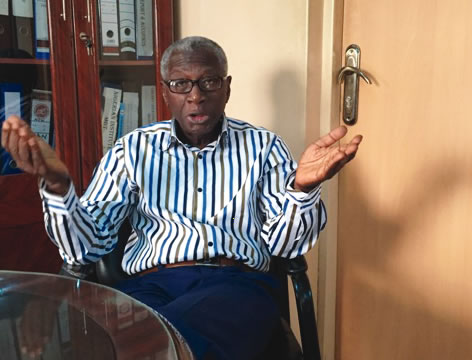
Long before the naira suffered some of its sharpest declines, Boyo warned that dependence on foreign exchange markets and persistent pressure on the local currency would eventually weaken the economy and hurt average Nigerians the most. His criticisms of monetary policies, high interest rates, and continuous dollar interventions were often dismissed in elite economic circles, yet today businesses across Nigeria struggle daily with exchange-rate volatility, rising import costs, and shrinking profit margins.
The economic pain currently felt in homes and markets across the country reflects many of the fears he passionately expressed. The cost of transportation has skyrocketed. Food inflation continues to strain household incomes. Small businesses battle unstable operating conditions, while manufacturers face increasing production costs. In many ways, the economic anxieties of present-day Nigeria resemble the exact trajectory Boyo spent years warning against.
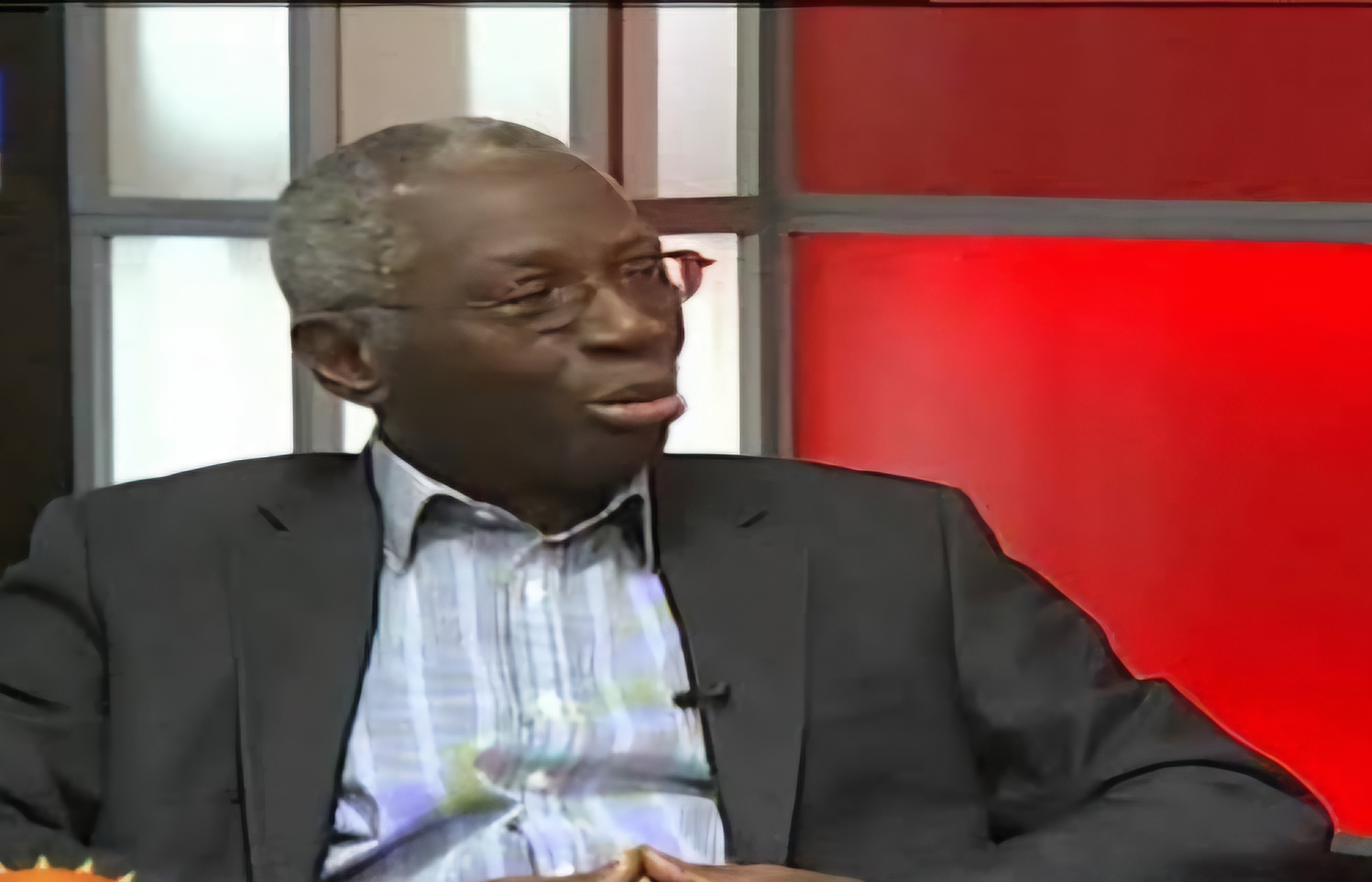
What distinguished Henry Boyo from many public commentators was his courage to challenge institutional orthodoxy. He questioned systems others accepted as normal. He spoke bluntly about what he believed were contradictions in Nigeria’s economic management and consistently advocated for policies that would strengthen local productivity and stabilize the naira.
Beyond economics, Boyo represented a rare kind of public intellectual — one deeply committed to national progress rather than personal applause. His writings were not designed to impress academic audiences alone; they were written in practical language that ordinary Nigerians could understand. Whether one agreed with him or not, his interventions forced conversations that many preferred to avoid.
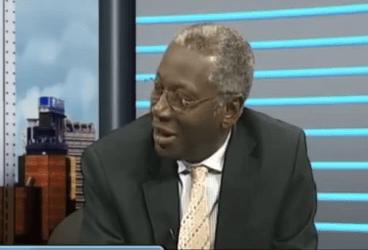
His legacy has become even more relevant in an era where economic hardship increasingly dominates public discourse. As policymakers continue searching for sustainable solutions to inflation, unemployment, debt pressures, and currency instability, Boyo’s body of work remains an important archive of alternative economic thinking in Nigeria.
There is also something profoundly symbolic about how history often treats voices ahead of their time. During his lifetime, Henry Boyo was sometimes viewed as an uncompromising critic. In death, he is gradually being remembered as a man who saw danger long before it became visible to many others.
Nigeria may still debate his theories, but it can no longer ignore the realities he persistently highlighted.
Henry Olujimi Boyo belonged to a generation of thinkers who believed patriotism meant speaking uncomfortable truths. He defended the dignity of the naira with unusual passion because, to him, the strength of a nation’s currency reflected the strength of its people and institutions.
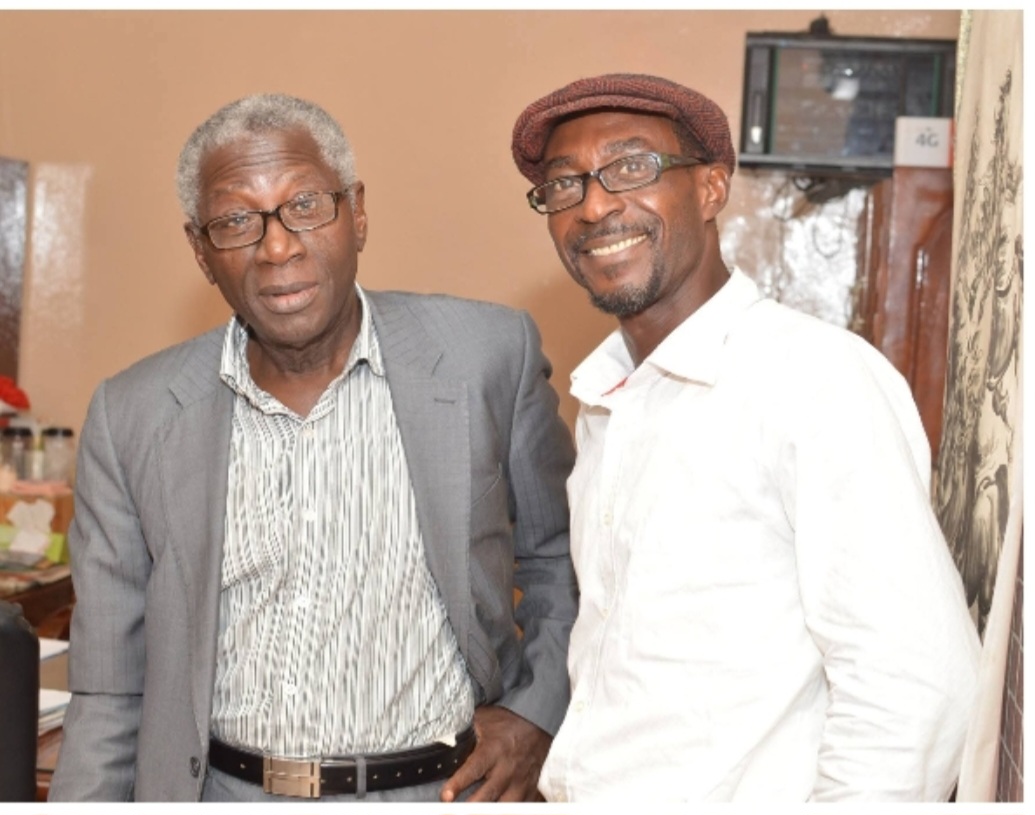
Mr. Boyo and Manny Ita
A man I loved deeply and respected so much, he passed on two years after I had an interview with him on the Nigerian economy over tea and croissants in his Ikeja office. Years after his passing, his voice still echoes through Nigeria’s economic conversations — in every debate about inflation, exchange rates, debt, and the struggle for economic stability.
And perhaps that is the greatest tribute of all: that even in death, Henry Boyo continues to shape the national conversation he devoted his life to fighting for.
