

Manny Ita
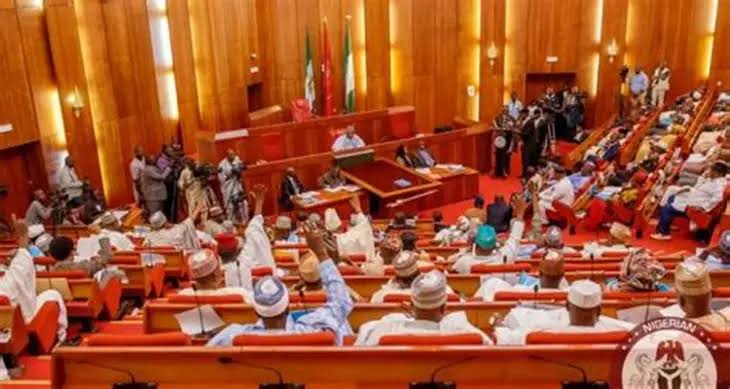
The Nigerian Senate has deferred a public debate regarding the December 25, 2025, United States airstrikes in Sokoto State, with Senate President Godswill Akpabio ruling on Wednesday, January 28, 2026, that the matter must be handled in an executive session. The decision followed a point of order raised by Senator Abdul Ningi (Bauchi Central), who argued that the unilateral authorization of foreign military strikes on Nigerian soil constitutes a “complete violation” of the 1999 Constitution and a breach of the United Nations Charter. Ningi maintained that the National Assembly was not consulted prior to the operation, warning that such actions infringe upon Nigeria’s territorial integrity and legislative oversight responsibilities. “The title of Commander-in-Chief is not ceremonial,” Ningi stated, asserting that even the President cannot invite foreign forces to conduct independent strikes without constitutional due process and legislative engagement.
The strikes, which the U.S. government described as “precision hits” against ISIS-affiliated terrorists in the northwest, were reportedly carried out using MQ-9 Reaper drones and GPS-guided munitions. While the Nigerian Federal Government has defended the operation as a successful collaboration rooted in intelligence sharing, reports from locals in Jabo and Tangaza suggest that the missiles landed in peaceful communities with no known terrorist presence. “No terrorist was found dead throughout our communities,” said Alhaji Bunu, a traditional ruler in the Gwangwano District, who noted that the targets appeared to be empty mountains and farm fields. These conflicting reports have fueled legislative concerns that the executive branch may have permitted foreign intervention without adequate local control or verification of targets.
In response to the tension on the Senate floor, Senate President Akpabio cautioned against debating sensitive national security matters in an open plenary. He confirmed that while the Senate leadership has already received a preliminary briefing on the incident, a more comprehensive executive session is required to clarify the extent of Nigeria’s involvement and the legal frameworks governing such foreign military cooperation. “Security is not something we discuss in the open market,” Akpabio stated, assuring lawmakers that a closed-door briefing with security chiefs would be arranged to address concerns regarding the alleged exclusion of the National Assembly. This session, which was originally delayed following the death of Senator Godiya Akwashiki, is expected to provide lawmakers with the technical and diplomatic details of the “new phase of cooperation” between Abuja and Washington.
