

Alabuga Start Program: Shocking Story of African Women Who Became Victims, Forced to Build Russia’s War Drones
Alabuga Start Program: Shocking Story of African Women Who Became Victims, Forced to Build Russia’s War Drones
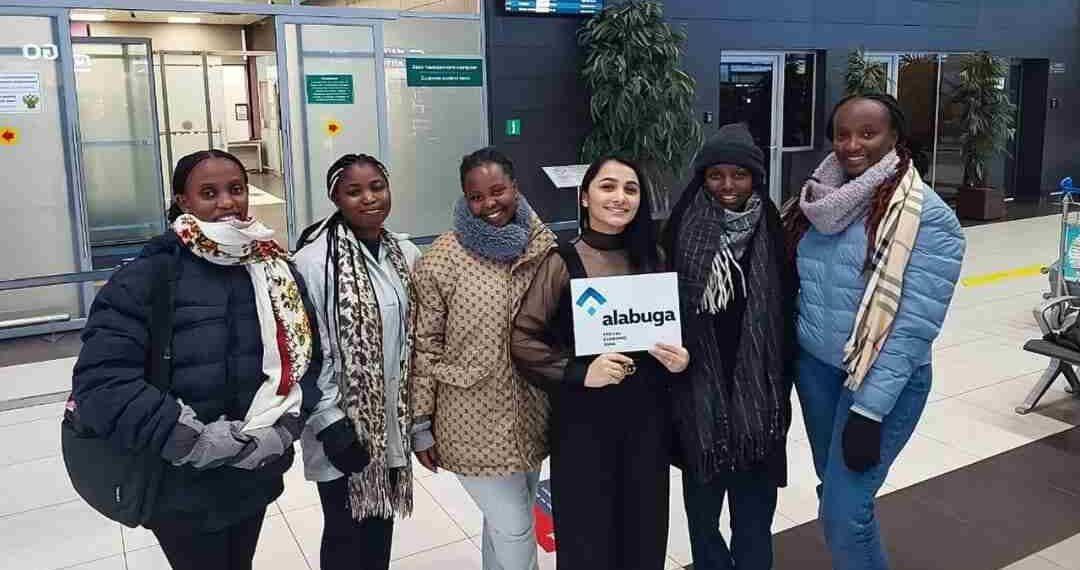
When Vanessa (name withheld for safety) arrived at the Alabuga Special Economic Zone in Russia’s Tatarstan region in August 2023, she thought she was signing up for a work-study program that would help pay her tuition while she pursued a degree in software engineering. Instead, she found herself in the crosshairs of war, working in catering by day, dodging Ukrainian drone strikes by night, and slowly unravelling under the weight of exploitation and fear.
Now, in an exclusive interview with Apples Bite Magazine, Vanessa joins a growing chorus of African women revealing the dark truth behind Russia’s “Alabuga Start” program: a scheme that lures young women from Africa and beyond with promises of education and employment, only to trap them in a militarized labor camp where some are forced to assemble weapons used against Ukraine.
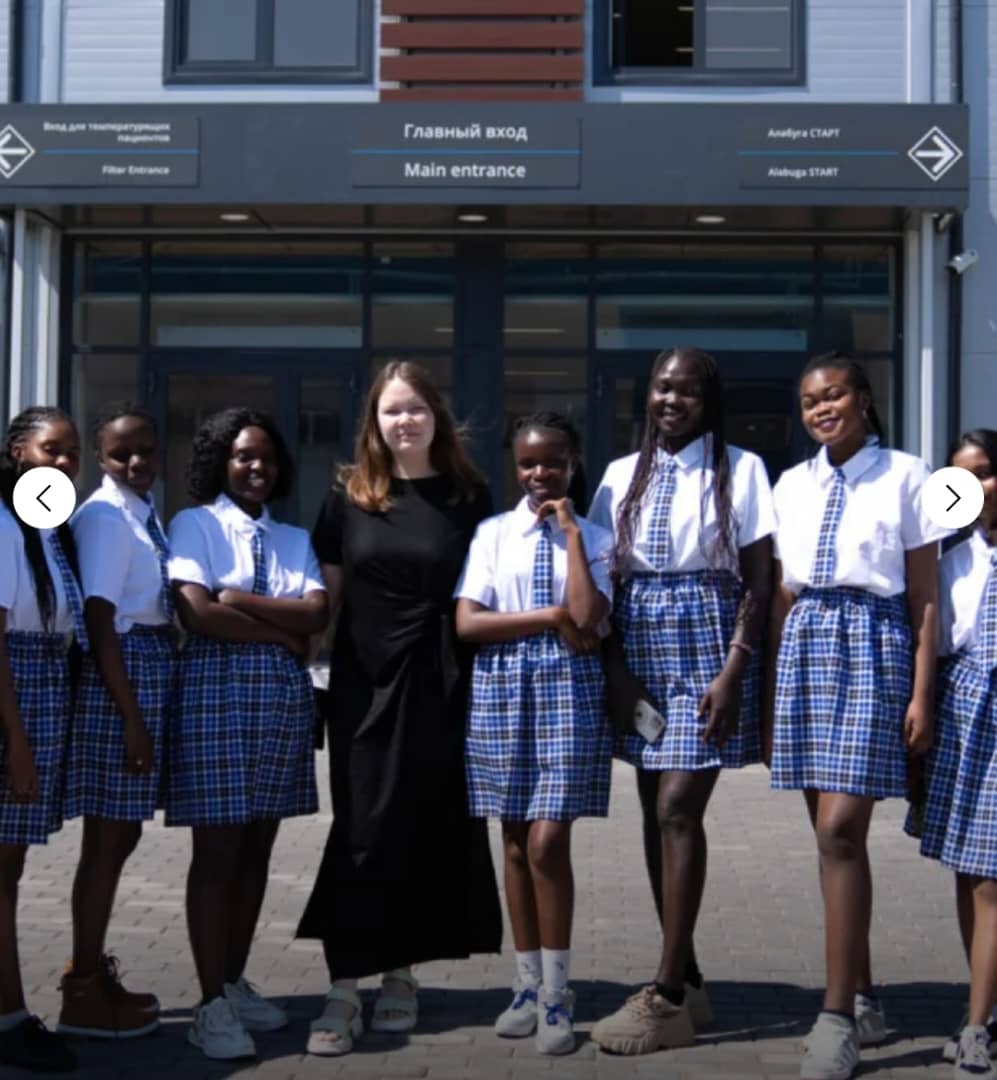
Vanessa, like many others, was recruited through social media ads and Telegram channels promoting Alabuga as an opportunity to earn money while studying. Needing funds for her online degree, she took the bait.
“I thought I would be able to combine my studies with work,” she says. “But I was wrong.”
Assigned first to kitchen duties, then promoted to waitressing, Vanessa quickly realised the reality was far from the glossy advertisements. The hours were gruelling, the pay meagre, and the supervisors harsh.
“If you are not patient enough, you will just be depressed all the time,” she recounts. “In my case, I was very depressed. My schoolwork was piling up, the people in Alabuga were stressing me, and I was earning little money on top of it. It felt like a waste of my time.”
But the most shocking revelation came later. While Vanessa worked in catering, she learned of another section of Alabuga, one shrouded in secrecy, where young African women reportedly assembled Iranian-designed Shahed drones, the same kamikaze UAVs raining terror on Ukrainian cities.
“There are some parts that they never used to let us know, which are usually well protected,” she explains. “The girls who work there earn more money than in other fields. I heard they used to build weapons that are used for fighting in Ukraine. That is why most of the time, Ukraine targets and bombs the place.”
The danger became terrifyingly real. Vanessa recalls nights when air raid sirens blared, forcing workers to scramble for shelter as Ukrainian drones struck Alabuga.
“When they see that something is coming from Ukraine, they warn you, put on the alarm, and guide us to safety,” she says.
Vanessa’s story is not unique. A recent report by the Global Initiative Against Transnational Organised Crime reveals that Alabuga has systematically recruited young African women—many under 22—under the guise of hospitality and IT training, only to funnel them into weapons manufacturing.
Advertisements for “Alabuga Start” saturate African social media, often shared by government-linked pages. The program promises high wages, free flights, and education, but omits the fact that recruits may be assembling drones for Russia’s war.
Adeyinka Adeifa, President of Hope Alive Educational Centre, explained that one of the major reasons why the Alabuga Start program targets strictly females is because of the loyalty tendencies of the gender. “Women are very submissive and dedicated to a course, when you give them reasons to, that makes them easy to control, hence, the Alabuga Start program finds them easy target.”
The UN has raised alarms, warning that the scheme may constitute human trafficking. Yet African governments have done little. Despite Ukrainian officials urging action, only Burkina Faso has taken steps to halt recruitment, according to a recent report by The Economist.
With Alabuga under Western sanctions and Ukraine intensifying strikes, the women inside face a grim reality: they are now military targets by proximity.
“At some stage, an African woman will be a legitimate target for a Ukrainian missile,” predicts a Ukrainian diplomat.
President of Seed Mentors Africa, Femi Toye, expressed fear that more African girls will become victims of this transnational exploitation if a nationwide campaign is not begun immediately.
“There is a need to declare a state of emergency of sorts on this menace to rescue our girls. It is bad enough that some of our girls are there in Alabuga already. Even more sad that more will still fall victim if we do not act fast,” he posited.
Adeifa, addressing why African girls are vulnerable to these trafficking schemes, noted that poverty and unemployment rate in Africa make girls desperate.
“Poverty and unemployment rate in Africa make girls desperate, leaving them vulnerable to trafficking schemes that promise better opportunities but ultimately exploit their circumstances.”
Vanessa escaped in July 2024, but many remain trapped by debt, deception, or fear of retaliation.
“If I had someone with experience who told me what to expect, I would never have gone,” she says.
Her warning is clear: for desperate young women lured by Alabuga’s promises, the cost of a paycheck could be their lives.
