

Manny Ita –
President Bola Ahmed Tinubu has cautioned opposition parties against relying on social media popularity as a pathway to electoral success, stating that elections are won through direct engagement with voters at the grassroots. He made the remarks while addressing political stakeholders on Tuesday, emphasizing the importance of on-the-ground mobilisation ahead of future polls.
Tinubu said that political legitimacy cannot be built solely through online discourse, stressing that meaningful contact with citizens remains the foundation of democratic victory. “Elections are not conducted on social media,” the President said, urging political leaders to channel their energy into community outreach, party organisation, and voter engagement across wards and local government areas.
The President argued that digital platforms, while influential in shaping public opinion, cannot substitute for the traditional structures that determine electoral outcomes, particularly in rural communities where internet penetration remains limited. He noted that effective campaigns require sustained interaction with voters, attention to local concerns, and visible presence within constituencies.
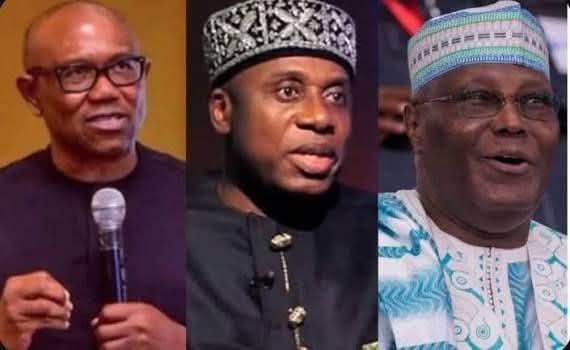
Tinubu’s comments come amid increasing political activity and criticism from opposition figures who have leveraged social media to challenge government policies and mobilise supporters. He advised opposition leaders to strengthen their grassroots networks if they hope to compete effectively in future elections, maintaining that governance and political relevance depend on tangible connection with the electorate rather than online visibility alone.
He also called for issue-based politics, urging all political actors to focus on programmes that improve citizens’ welfare rather than rhetoric. According to him, democratic competition should centre on ideas, performance, and service delivery, not solely on digital narratives.
Political observers say the statement underscores the administration’s view that electoral success in Nigeria remains rooted in physical mobilisation, party structures, and local alliances, even as social media continues to expand its influence on national discourse.
